
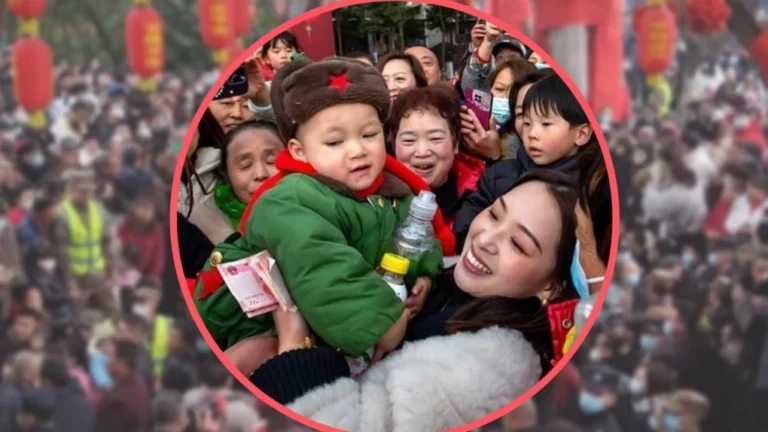
Xuebaotou is more than just a festival; it’s a vibrant expression of culture and community that resonates deeply within Chinese society. Celebrated with joyous fervor, Xuebaotou brings together families and friends to honor traditions passed down through generations. It serves as a reminder of the rich tapestry of customs that define China’s cultural heritage. As you dive into this fascinating celebration, you’ll discover its origins, significance, and how it continues to shape modern life in China. Unravel the colorful threads of Xuebaotou as we explore what makes this festival a cherished symbol of unity and joy in the heart of Chinese culture.
What is Xuebaotou?
Xuebaotou is a vibrant Chinese festival celebrated primarily in the northeastern regions of China. It symbolizes the arrival of spring and serves as a time for families to come together.
During this festive occasion, people engage in various joyful activities. Traditional performances often include music, dance, and martial arts demonstrations that showcase cultural heritage.
Central to Xuebaotou celebrations are colorful parades filled with elaborate costumes. Participants don masks depicting mythical creatures or historical figures, adding an air of excitement to the festivities.
Food plays a vital role too; delicious local delicacies are prepared and shared among friends and family. These dishes symbolize prosperity and good fortune for the year ahead.
Xuebaotou embodies community spirit while honoring ancestral connections through its rich traditions. It’s more than just a celebration; it’s a powerful expression of identity and continuity within Chinese culture.
The Origins of Xuebaotou
The origins of Xuebaotou are steeped in rich history and tradition. This vibrant celebration traces back centuries, intertwined with ancient agricultural practices.
Historically, it marked the end of the harvest season. Villagers would gather to express gratitude for a bountiful yield. They celebrated with feasts that featured local produce, symbolizing prosperity and abundance.
Legends tell tales of ancestral spirits being honored during these festivities. Families would prepare offerings to invite blessings for future crops. Rituals often included traditional dances and music to create an atmosphere of joy and unity.
As time progressed, Xuebaotou evolved while retaining its core values. The festival became a way to strengthen community ties, ensuring that cultural heritage was passed down through generations.
Today, echoes of those early days remain alive within each celebration reminding participants of their roots and shared history.
The Traditional Customs and Rituals of Xuebaotou Celebrations
Xuebaotou celebrations are rich in vibrant customs that reflect deep cultural roots. Families gather to prepare special foods, with rice cakes often taking center stage. These delicacies symbolize unity and prosperity.
During the festival, colorful parades fill the streets. Dancers adorned in traditional costumes perform intricate routines, captivating audiences young and old. The rhythmic beats of drums create an electrifying atmosphere.
Lanterns play a significant role as well. People light them at dusk, illuminating homes and public spaces while representing hope for the coming year.
Offering prayers at local temples is another cherished custom. Devotees seek blessings for health and success from ancestors who have passed on.
Music fills the air during these festivities too, with folk songs echoing through neighborhoods. It’s a time when communities come alive with joy, laughter, and togetherness elements that truly embody the spirit of Xuebaotou.
Xuebaotou in Modern Times: How the Festival has Evolved
Xuebaotou has transformed significantly in modern times. Once a strictly traditional festival, it now embraces contemporary influences while maintaining its core values.
Young people are increasingly involved in organizing and celebrating Xuebaotou. They incorporate technology into the festivities, such as social media campaigns to spread awareness. This shift attracts larger crowds and engages those unfamiliar with the traditions.
The festival’s rituals have adapted too. Traditional performances coexist with modern art displays and music genres that resonate with younger generations. Street food vendors showcase innovative twists on classic dishes, blending flavors from different regions.
As urbanization spreads, many cities host grander versions of Xuebaotou celebrations, transforming local parks into vibrant hubs of activity. While some fear these changes dilute authenticity, others believe they breathe new life into age-old customs by appealing to diverse audiences.
This evolving dynamic reflects broader cultural shifts within Chinese society today an intricate balance between honoring tradition and embracing progress.
The Impact of Xuebaotou on Chinese Society and Culture
Xuebaotou holds a significant place in Chinese society, acting as a bridge between generations. Families come together to celebrate this festival, reinforcing bonds and shared values.
Through its vibrant customs, Xuebaotou promotes community spirit. Neighbors partake in festivities, fostering unity and cooperation among diverse groups. This collective experience strengthens social ties and nurtures friendships.
Moreover, the symbolism of Xuebaotou extends beyond mere celebration. It encapsulates cultural heritage and traditions that have been passed down through centuries. Each ritual carries meaning reflecting aspirations for prosperity and harmony.
In contemporary times, the festival encourages younger generations to embrace their roots while navigating modern life. As they participate in age-old rituals, they gain insights into their ancestry.
The ongoing relevance of Xuebaotou illustrates how traditional celebrations can adapt yet remain integral to cultural identity within China’s rapidly changing landscape.
Other Similar Festivals in China
China boasts a rich tapestry of festivals that reflect its diverse cultural heritage. Among them, the Lantern Festival stands out with its vibrant displays and joyful atmosphere. Held on the fifteenth day of the first lunar month, it marks the end of Chinese New Year celebrations.
Another notable festival is Qingming, or Tomb-Sweeping Day. Families honor their ancestors by visiting gravesites to clean and make offerings. It’s a time for remembrance and connection with loved ones who have passed.
The Dragon Boat Festival is also significant. It commemorates poet Qu Yuan through thrilling boat races and zongzi (sticky rice dumplings). This festival showcases teamwork and determination in both sport and community spirit.
Each festival carries unique customs that highlight regional traditions across China. These celebrations not only foster unity but also keep age-old practices alive amid modernization efforts.
The Importance of Preserving Traditional Celebrations in a Changing World
Traditional celebrations offer a vital link to our past. They embody stories and values passed down through generations, connecting us to our ancestors. When we participate in these customs, we honor their legacy.
In today’s fast-paced world, globalization often overshadows local traditions. This shift can dilute cultural identities and diminish the richness of diverse practices. Preserving festivals like Xuebaotou helps combat this loss.
These celebrations serve as reminders of who we are and where we come from. They foster community bonds, bringing people together for joy and reflection. Through shared experiences, relationships deepen with family, friends, and neighbors.
Embracing traditional festivities enhances cultural awareness among younger generations too. It instills pride in heritage while promoting respect for diversity in an interconnected society. By keeping these rituals alive, we ensure that future generations remain grounded in their history amidst rapid change.
Conclusion
Xuebaotou serves as a vibrant reflection of Chinese culture and values. The festival, deeply rooted in tradition, captures the essence of unity, respect for ancestors, and celebration of life. As it has evolved over time, Xuebaotou remains relevant to contemporary society while honoring its historical significance.
The blend of age-old customs with modern practices showcases how cultural celebrations can adapt yet retain their core identity. This adaptability is crucial in a rapidly changing world where traditions face the threat of fading away.
Communities across China continue to embrace Xuebaotou. It not only fosters social bonds but also reinforces a sense of belonging among individuals who participate in these festivities together.
As we look toward the future, preserving festivals like Xuebaotou becomes essential for maintaining cultural heritage. These celebrations are not just events; they are stories passed down through generations that connect us all to our roots and each other.